
Over the past few years, we’ve been developing and expanding our reach into the world of making, by offering both programs and resources.
What exactly is making? Well, we actually helped craft a formal definition for it for library staff across the nation. But the short answer is pretty simple: it is the process of being willing to get your hands dirty and learn while you create whatever you want to make to accomplish a task or just have fun. Do you cook? Do you craft? Do you invent? Do you build? Do you fix things? You are a maker!
In fact, some are even talking about making as at the core of a new type of literacy: invention literacy (i,e, the ability to look around you and figure out how human-made things work). Like any type of literacy, you can never be too old or too young to start your making journey and nurturing the growth mindset on which all making depends. You also can never have enough tools in the forms of books to get your creative juices flowing.
So, this year we plan to highlight all of the various making resources we have–which range from needlework to Legos to more. May is all about drawing, and a special thank you to Kelli for helping me research this post!
If you want a general overview on drawing:
Vivienne Coleman’s The Art of Drawing: Create Stunning Artworks Step by Step (2017)
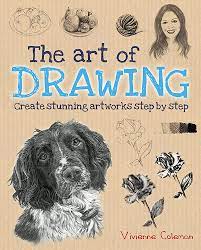
If you’ve always loved the idea of drawing but been too intimidated to start, this book is the perfect introduction. It doesn’t assume any special knowledge or experience. It starts with basic concepts about technique before working up to specific types of drawings, including still life and landscapes, as well as people and animals.
If you’re specifically interested in figure drawing:
Daniel Carter and Michael Courtney’s Anatomy for the Artist (2002)

Anatomy as a field of study is more associated with folks in healthcare, but it’s also vital for artists who are interested in drawing the human form. This guide breaks down the subject comprehensively, with in-depth illustrations, medical commentary, and tips for artists on issues like proportion and drawing tools to use. It also includes special attention on how to convey movement realistically and effectively.
Michel Lauricella’s Morpho: Anatomy for Artists: Simplified Forms (2019)
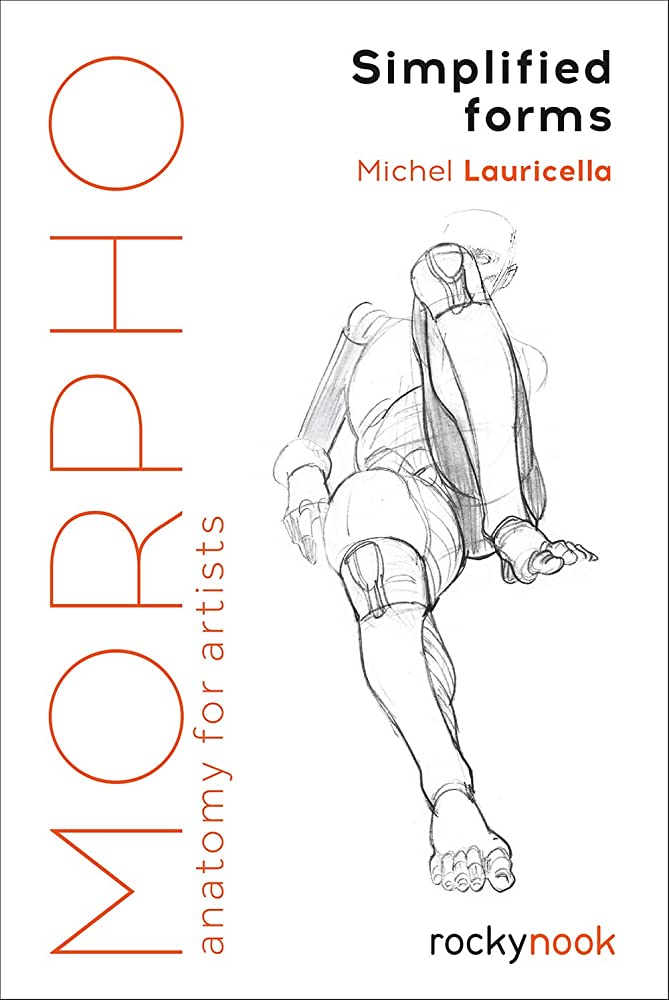
Penned by a highly experienced French morphology instructor, this book focuses on how to simplify the human form to shapes and then modify and adapt them for any pose you’re trying to recreate.
Burne Hogarth’s Dynamic Figure Drawing (1970)

If drawing people in motion is your biggest challenge with art, this book is exactly what you need. It covers how to draw the human form in movement with over 300 illustrations, all from the guy who created Tarzan, so you know he knows a thing or two about drawing people in action.
Dan Gheno’s Figure Drawing Master Class: Lessons in Life Drawing (2015)
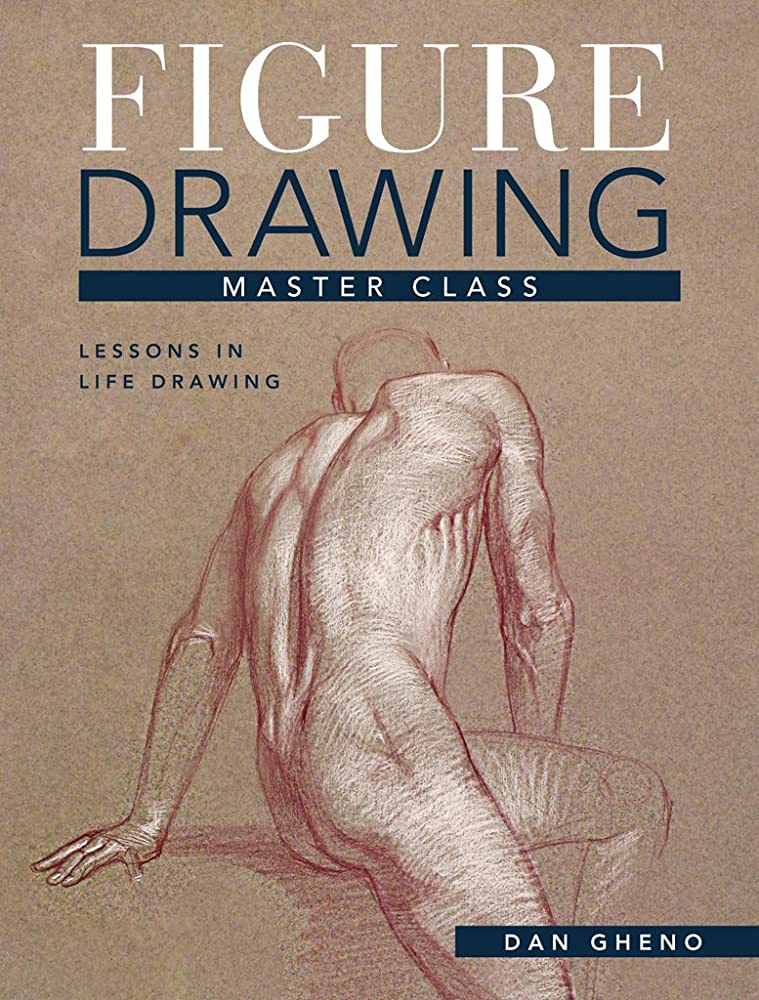
This book draws a lot of inspiration from the Old Masters, as well as the author’s own work, to cover everything from how to draw figures to how to convey emotion through gestures and posture. Figures in work by Michelangelo, Leonardo, Raphael, and Rembrandt are highlighted, and the book also includes several step-by-step demonstrations for further clarity.
If you’re more interested in drawing animals:
Gottfried Bammes’s Complete Guide to Drawing Animals (2013)

This comprehensive guide is as methodical as some of the figure drawing books listed above but regarding the special challenges of drawing animals versus people. It covers everything from anatomy to proportions to movement.
If learning more about fashion illustration is your desire:
Carol A. Nunnelly’s The Encyclopedia of Fashion Illustration Techniques: A Comprehensive Step-by-Step Visual Guide to Fashion Design (2009)
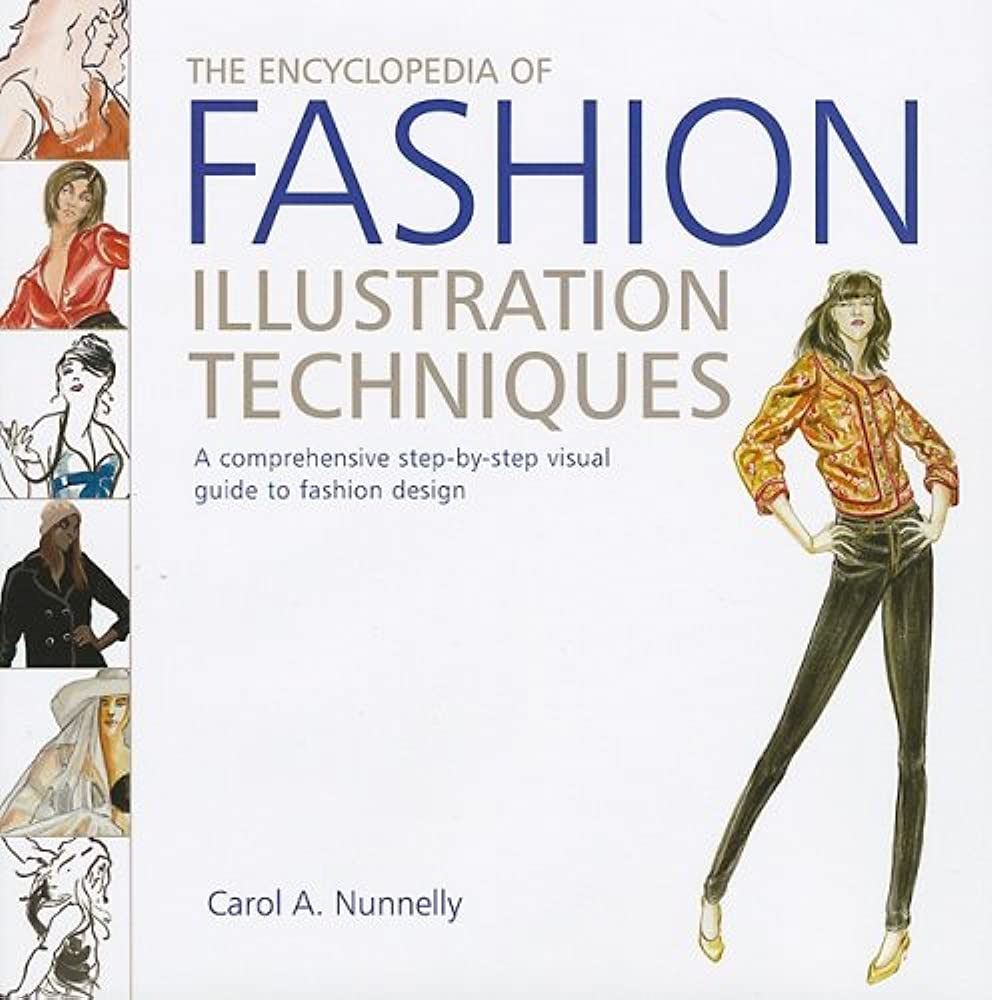
Maybe it’s Maybelline, maybe it’s a talented artist. If you’re really interested in fashion illustration, this book is a wonderful compendium that covers everything from how to draw fashion poses to how to correctly depict different types of fabric to how to incorporate color and tone.
If you want to learn more about creating cartoons/comics:
Scott McCloud’s Making Comics: Storytelling Secrets of Comics, Manga and Graphic Novels (2006)

Scott McCloud explores how to draw comics in this book, but not in the sense that you’re probably thinking. He’s not covering which pencils to use or what techniques work best. Instead, he’s delving into how to incorporate narrative structure and a sense of story into comics through everything from background to character development.
If you prefer drawing manga specifically:
Mina “Mistiqarts” Petrovic’s Manga Crash Course: Drawing Manga Characters and Scenes from Start to Finish (2015)
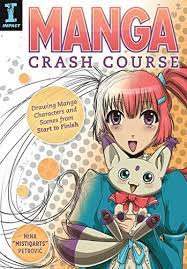
Petrovic runs a YouTube channel devoted to the ins and outs of drawing manga, and in her book, she provides a thorough look at how to draw this specific genre of art. You’ll learn all about manga anatomy, facial expressions, clothing/accessories, and more.
If you’re looking for children’s how-to draw books:
Elise Gravel’s If Found: Please Return to Elise Gravel (2017)

This delightful book is both a story in its own right and a practical primer for young artists. In it, Canadian illustrator Gravel lets readers see her own imaginative sketchbook, wherein she features everything from monsters to mushrooms. Along the way, she provides advice and encouragement, with a particular emphasis on encouraging readers to start their own sketchbook.
Julia Kuo’s 20 Ways to Draw a Cat and 23 Awesome Other Animals (2016)

This is a primer for how to draw simple animals, ranging from cats to giraffes. Perfect for eight to eleven-year-olds.
Let’s Draw with Shapes series (2004)

For younger kids, this series is a fun and educational way to learn about both shapes and drawing animals. We have 6 of the books [horses with rectangles, bears with squares, frogs with ovals, fish with triangles, butterflies with circles, turtles with circles], and they’re also bilingual in English and Spanish.
Don’t forget we’ve also recently highlighted books on how to draw heads and hands (a notoriously tricky challenge for artists), as well as ones that cover how to break into the art world as a career.
Interested in drawing? What are your favorite things to draw? Tell us in the comments! As always, please follow this link to our online library catalog for more information on any of these items or to place them on hold.

 Berryville Book Buzz