
This year, our theme is “Walk A Mile In My Shoes.” The idea that you can’t understand someone (and shouldn’t judge them) until you’ve walked a mile in their shoes is a pretty common sentiment. And research has shown that reading fiction is one way to really get such a walk going. So, that’s what we are going to do this year: use fiction (and some nonfiction when we just can’t resist) to take walks in someone’s shoes. We hope you join our journey. For July, our theme is disability.
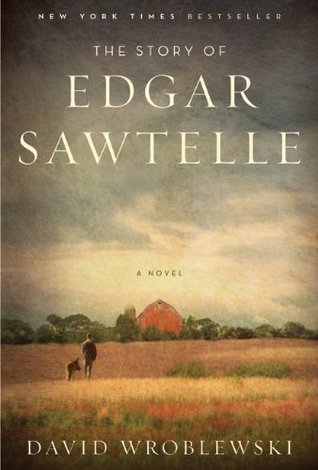
David Wroblewski’s haunting The Story of Edgar Sawtelle is a retelling of Hamlet, with a modern twist. Rather than being set in medieval Denmark, it takes place in 1970s Wisconsin on a dog farm and features a child who’s unable to speak. Edgar knows his uncle is responsible for his father’s death and is determined to prove it.
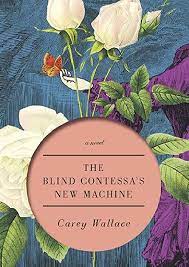
Carey Wallace’s The Blind Contessa’s New Machine is a historical romance centered around how the first typewriter was created in the 1800s. Italian Contessa Carolina seems to have everything, but she realizes she’s losing her vision. Neither her parents nor her fiance believe her, but her old friend Turri does. As her vision continues to deteriorate, he creates a machine for her that allows her to still communicate.
Often described as a “love letter to Deaf culture,” Sara Novic’s True Biz takes place in a residential school for the Deaf. The book follows multiple students as well as the headmistress as they navigate everyday life challenges and the looming specter of the school being shut down permanently.

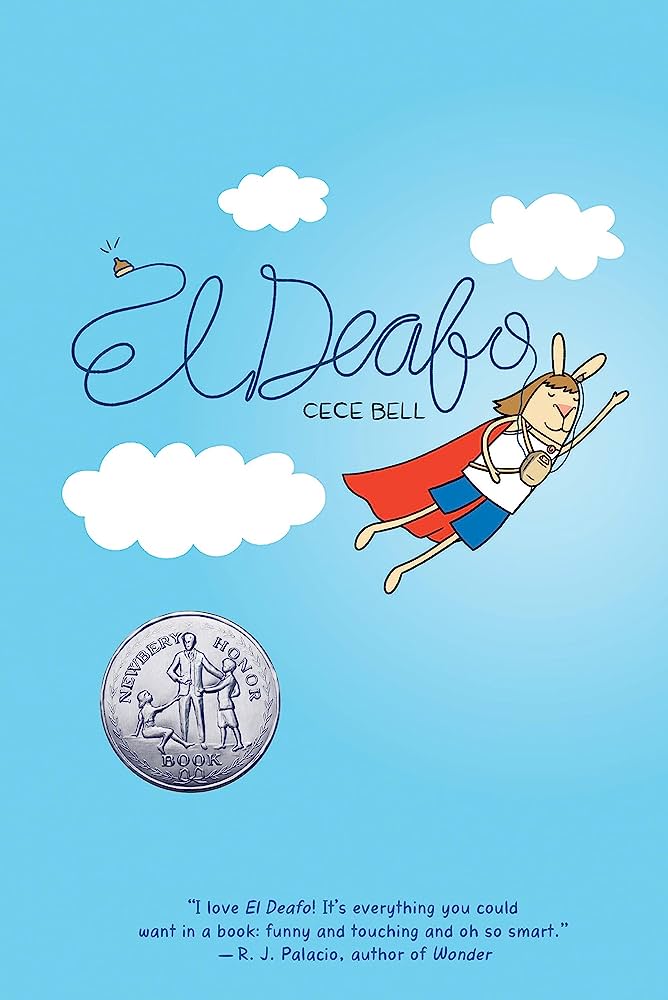
Cece Bell’s El Deafo is another take on what it’s like to grow up Deaf. This graphic novel memoir for kids documents the author’s experiences growing up after a bout of meningitis severely impaired her hearing at the age of four.
Kimberly Brubaker Bradley’s The War That Saved My Life has generated a lot of praise for its thoughtful depiction of Ada, a ten-year-old with clubfoot. Her mother is abusive, and when children are being evacuated from London during WWII to escape German bombs, she’s more than happy to sneak away to the countryside with her brother James.

Marieke Nijkamp’s The Oracle Code is an inventive YA graphic novel that delves into the backstory of Barbara Gordon (aka Batgirl). In the book, she’s been paralyzed from a gunshot wound. While undergoing residential rehabilitation and learning how to use a wheelchair at Arkham, she starts to realize that something very strange and potentially dangerous is going on. Complications ensue.

If you prefer nonfiction to fiction, we also have some thought-provoking memoirs that you might enjoy.
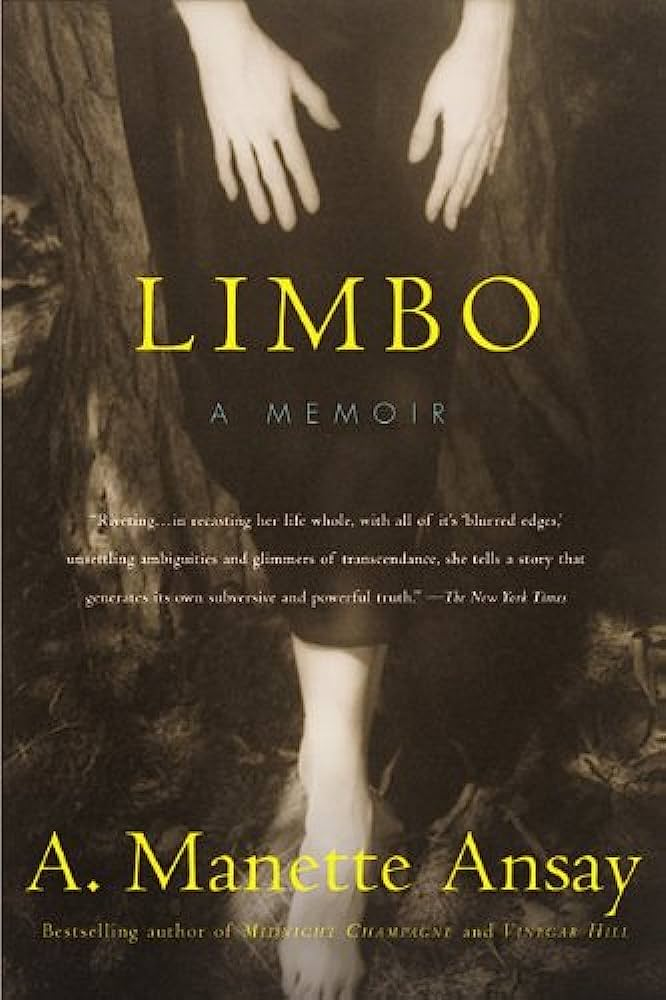
A. Manette Ansay’s Limbo documents how the author was an aspiring concert pianist until a mysterious disorder that caused paralysis prevented her from playing the piano, let alone holding utensils or walking. She redirected her career goals from wanting to be a musician to being a writer.
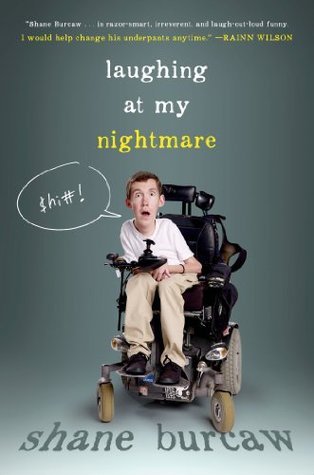
Shane Burcaw writes about having spinal muscular atrophy in Laughing at My Nightmare. It’s a funny but frank account of his experiences using a wheelchair since he was a toddler. He talks about everything from joining in games of cops and robbers when he was in preschool to dating as a teenager.
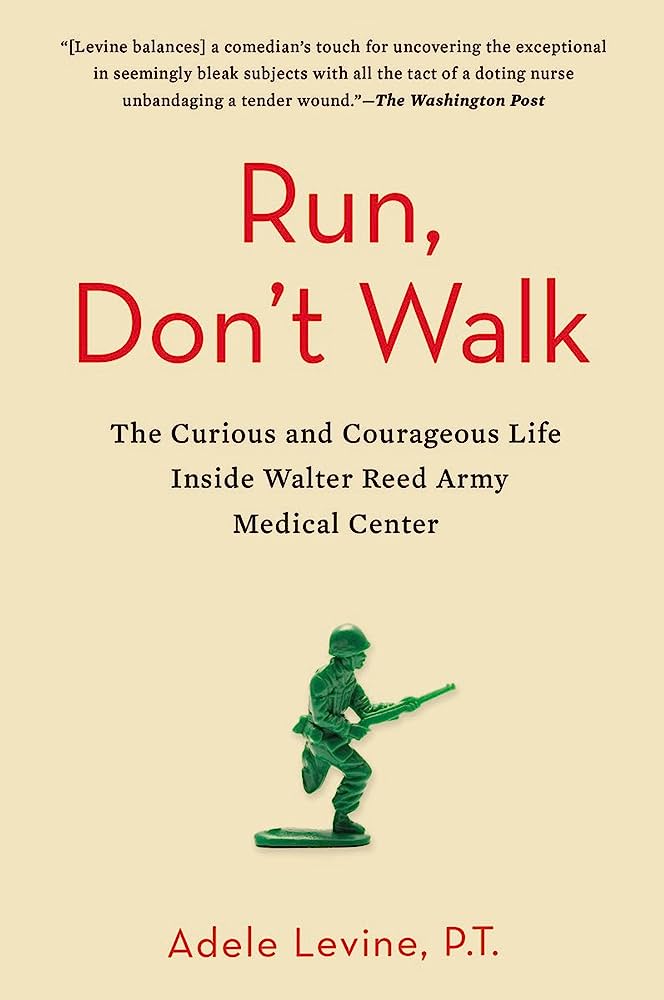
Adele Levine’s Run, Don’t Walk: The Curious and Chaotic Life of a Physical Therapist Inside Walter Reed Army Medical Center chronicles Levin’s experiences working with amputees in one of the nation’s premiere medical facilities for veterans. The anecdotes are, by turns, heartbreaking, heartwarming, and hilarious.
If you’d rather watch a good movie, try The Rider. An autobiographical story about its star, Brady Jandreau, that relies entirely on a cast of untrained actors and is set on the Pine Ridge Reservation in South Dakota, the film follows Brady, who was an up-and-comer on the rodeo circuit before a horrific accident injured him. He’s been warned not to ride again, but riding is all he knows.

PS We are closed today for July 4, but we’ll be back to regular hours tomorrow! Hope you have a safe holiday!
What’s your favorite book that features a disabled protagonist? What have you read lately that helped you walk in someone else’s shoes? Tell us in the comments! As always, please follow this link to our online library catalog for more information on any of these items or to place them on hold.

 Berryville Book Buzz