
This year, our theme is “Walk A Mile In My Shoes.” The idea that you can’t understand someone (and shouldn’t judge them) until you’ve walked a mile in their shoes is a pretty common sentiment. And research has shown that reading fiction is one way to really get such a walk going. So, that’s what we are going to do this year: use fiction (and some nonfiction when we just can’t resist) to take walks in someone’s shoes. We hope you join our journey. For September, our theme is addiction.
With the rise of the opioid crisis over the past several years, there’s a lot of perceptive nonfiction and fiction on the topic that’s been released recently. However, if you’re a long-time resident of the Ozarks, you know that methamphetamine has been a significant issue here since at least the 90s. The books profiled here touch on both drug epidemics, as well as alcoholism.
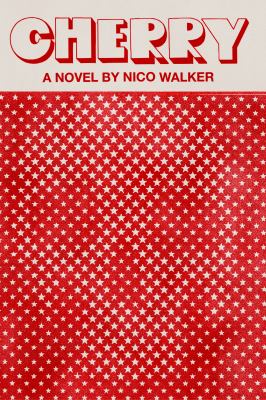
Nico Walker’s harrowing novel Cherry is born from his personal experience, though the exact details of what’s real and what’s fictionalized are murky. Nonetheless, this debut novel from a few years ago follows the story of a protagonist, who, like Walker, served as a combat medic in Iraq, became addicted to heroin after returning home, and robbed banks to fund his addiction.
In another novel that has potential parallels with the author’s life, Louise Erdrich’s haunting Shadow Tag chronicles the demise of a celebrated artistic marriage. Painter Gil has long used his wife Irene as his model and muse, but their personal and professional lives become increasingly fraught as their relationship unravels. Irene’s alcoholism as a means of coping with her unhappiness is a subplot in this powerful book.

Ann Leary’s The Good House, meanwhile, is far more centered on the experiences of addiction and alcoholism. Indeed, the entire premise is that Hildy, a successful sixty-something Boston suburbanite realtor, is completely in denial about her alcoholism. Desperate to prove she’s not an alcoholic to her estranged family, while her dependence on it only increases, she seeks comfort in an ill-advised, codependent friendship.

As is true with many of the topics we’ve explored this year in this series, some of the most thoughtful, gritty depictions are courtesy of young adult fiction.
Neal and Jarrod Shusterman’s Roxy is perhaps the most imaginative approach to the subject of all the books profiled here. It’s a tale of Ivy and Isaac Ramsey, two vulnerable siblings, one of whom will succumb to addiction and one of whom doesn’t. What makes the book unique is it personifies the Oxycontin and Adderall that the Ramsey siblings struggle with and crafts them into compelling characters in their own right.

Ellen Hopkins’s Crank series has long been praised for its gritty realism in depicting meth addiction. Loosely inspired by Hopkins’s daughter’s own battle with addiction, these books document in free verse how a teenager named Kristina becomes addicted to meth and the terrible consequences her addiction has for her.


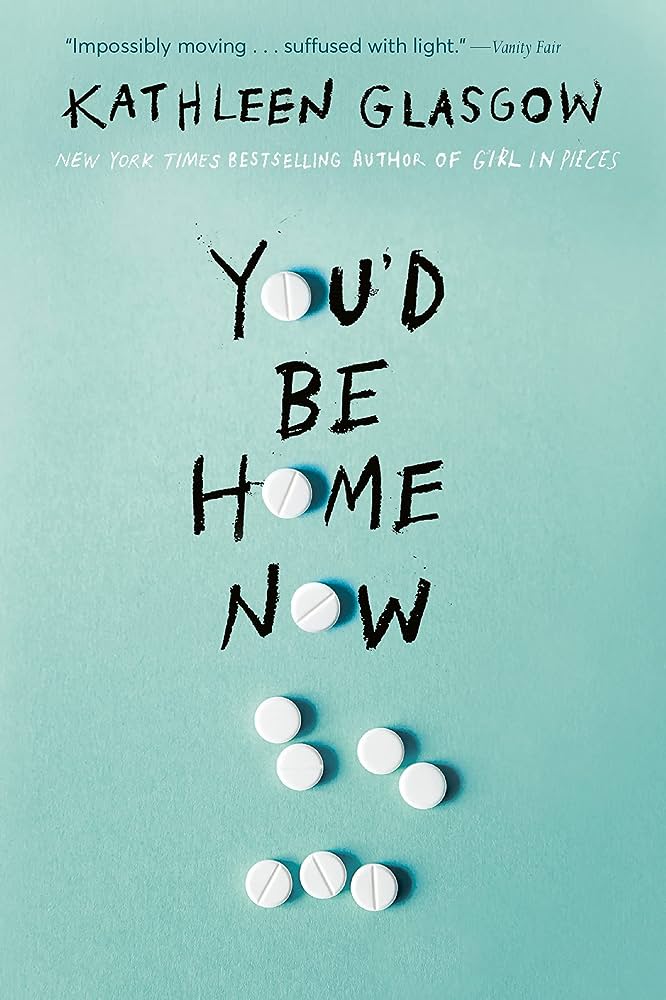
Kathleen Glasgow’s You’d Be Home Now focuses on teenager Emory. She’s dealing with the fallout of a terrible car wreck her brother Joey had while under the influence of drugs. He is home from rehab now, and there’s nothing Emory wouldn’t do to help her brother, though she quickly realizes there are limits to how much she can help. This novel especially chronicles the impact addiction has on the individual’s family.
If you’re more interested in nonfiction explorations of these issues, consider these books by Sam Quinones and Beth Macy.
Quinones’s Dreamland and The Least of Us work in tandem, with the former chronicling how black tar heroin and Oxycontin came to have such a terrifying hold on so many Americans. The latter, his most recent book, updates the story from where he left off in 2015, when Dreamland was published, and also shines a light on people working to combat the epidemic.


Macy’s books follow a similar approach, with a particular focus on communities near her home in Virginia. Dopesick looks at how the opioid crisis formed and spread and the devastating effect it has on communities. In her latest book, Raising Lazarus, she profiles people on the front lines of the opioid crisis working to make a difference, whether it’s on the streets or in the courtroom.


For a look at the impact of addiction in a small town that hits rather close to home, consider Monica Potts’s The Forgotten Girls: A Memoir of Friendship and Lost Promise in Rural America. Potts grew up in Clinton, Arkansas, about 2 hours southeast of us here in Berryville. As a child growing up, her closest friend was Darci. Monica and Darci both dreamed of leaving their rural childhood home to go to college. Potts did and went on to enjoy a career as a respected journalist. Darci, meanwhile, never left home. Her adulthood has been defined by addiction, poverty, abusive relationships, and more. In this memoir/biography, Potts chronicles her friend’s life while also arguing that Darci’s story is not a unique one and is part of a devastating pattern for rural women across the country.

What’s the best book you’ve read about addiction? What have you read lately that helped you walk in someone else’s shoes? Tell us in the comments! As always, please follow this link to our online library catalog for more information on any of these items or to place them on hold.

 Berryville Book Buzz