
Over the past few years, we’ve been developing and expanding our reach into the world of making, by offering both programs and resources.
What exactly is making? Well, we actually helped craft a formal definition for it for library staff across the nation. But the short answer is pretty simple: it is the process of being willing to get your hands dirty and learn while you create whatever you want to make to accomplish a task or just have fun. Do you cook? Do you craft? Do you invent? Do you build? Do you fix things? You are a maker!
In fact, some are even talking about making as at the core of a new type of literacy: invention literacy (i.e., the ability to look around you and figure out how human-made things work). Like any type of literacy, you can never be too old or too young to start your making journey and nurturing the growth mindset on which all making depends. You also can never have enough tools in the forms of books to get your creative juices flowing.
So, this year we plan to highlight all of the various making resources we have–which range from needlework to Legos to more. December is all about homesteading and self-sufficiency!
If you want a general overview:
John Seymour’s The Self-Sufficient Life and How to Live It: The Complete Back-to-Basics Guide (2003)
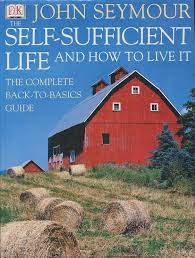
Something of a modern classic on the subject, this book covers everything from how to raise crops and animals to how to preserve food to how to weave, make baskets, and build buildings and more. It’s also packed with 150 full-color illustrations.
Carleen Madigan’s The Backyard Homestead (2009)
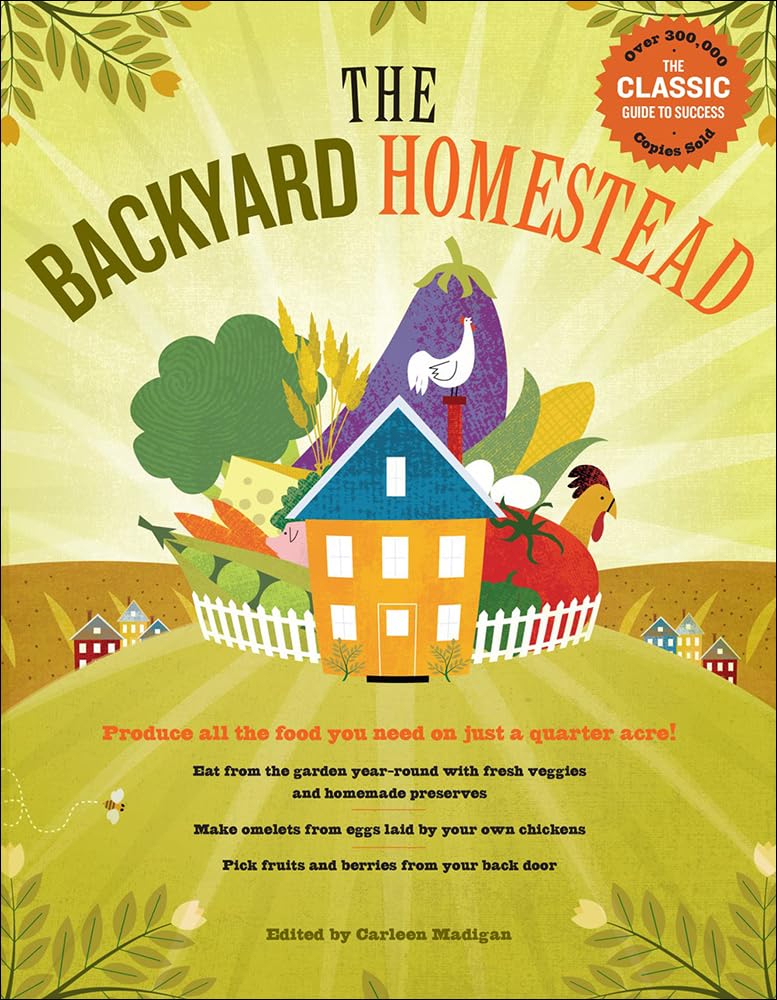
Not as comprehensive as Seymour’s book, this one provides a good overview that is primarily focused on growing and preserving your own food, from raising bees to growing a garden to raising your own animals for meat. It also provides instructions on how to can, freeze, dry, and pickle food, and recipes for how to incorporate your own homegrown food into meals.
Emma Rollin Moore, Lauren Malloy, and Ashley Moore’s The Women’s Heritage Sourcebook: Bringing Homesteading to Everyday Life (2020)

For a middle ground between the previous two books’ respective focuses, this one is divided into three basic sections: food, husbandry, and herbalism. In between spans topics like baking your own sourdough, raising pigs, and making your own all-natural skin and hair products.
Emily Kent’s The Little Book of Cottagecore: Traditional Skills for a Simpler Life (2021)

If you like the idea of being more self-sufficient or learning how to do traditional crafts without quite committing to a full-blown homestead, try this book. It covers baking, beekeeping, gardening, candle and soapmaking, and several forms of needlework, such as quilting, cross-stitch, and embroidery.
If you’re interested in skill-specific resources:
Homestead Blessings DVD series

These individual DVDs walk you through a range of hands-on traditional skills. They include The Art of Canning, The Art of Candlemaking, The Art of Soap Making, The Art of Bread Making, and more. Check out one or check out all!
Piers Warren’s How to Store Your Garden Produce: The Key to Self-Sufficiency (2009)
Organized as an A-to-Z guide, this book lists countless ideas for how to store what you grow. Perfect for new gardeners and experienced ones who are looking for new ideas, it covers over 50 types of fruits and vegetables and also profiles basic storage methods, from making preserves to salting to pickling and more.
Ellen Zachos’s How to Forage for Wild Foods without Dying: An Absolute Beginner’s Guide to Identifying 40 Edible Wild Plants (2023)
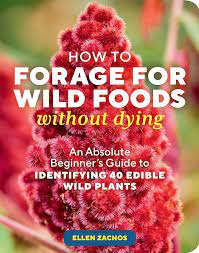
If you want to forage for wild berries, mushrooms, and plants, safety is paramount. And Zachos–who teaches classes on how to forage–can teach you everything you need to know about that. But she’s also focused on what is tasty to eat. This book walks you through how to identify, harvest, prepare, and cook 40 of the most edible wild plants.
Joel Salatin’s Polyface Micro: Success with Livestock on a Homestead Scale (2021)
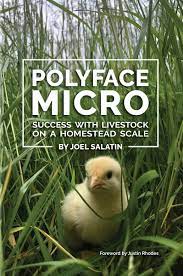
This isn’t exactly a how-to guide, but Salatin–who runs a successful pasture-based livestock farm in Virginia–adapts his methods for smaller-scale livestock production. He talks about the logistics of raising farm animals on pastures, including how to irrigate, feed, and herd, and also profiles popular animals to raise, like cows, rabbits, goats, and pigs.
If you want a handy reference book:
The Old Farmer’s Almanac 2024 (2023)
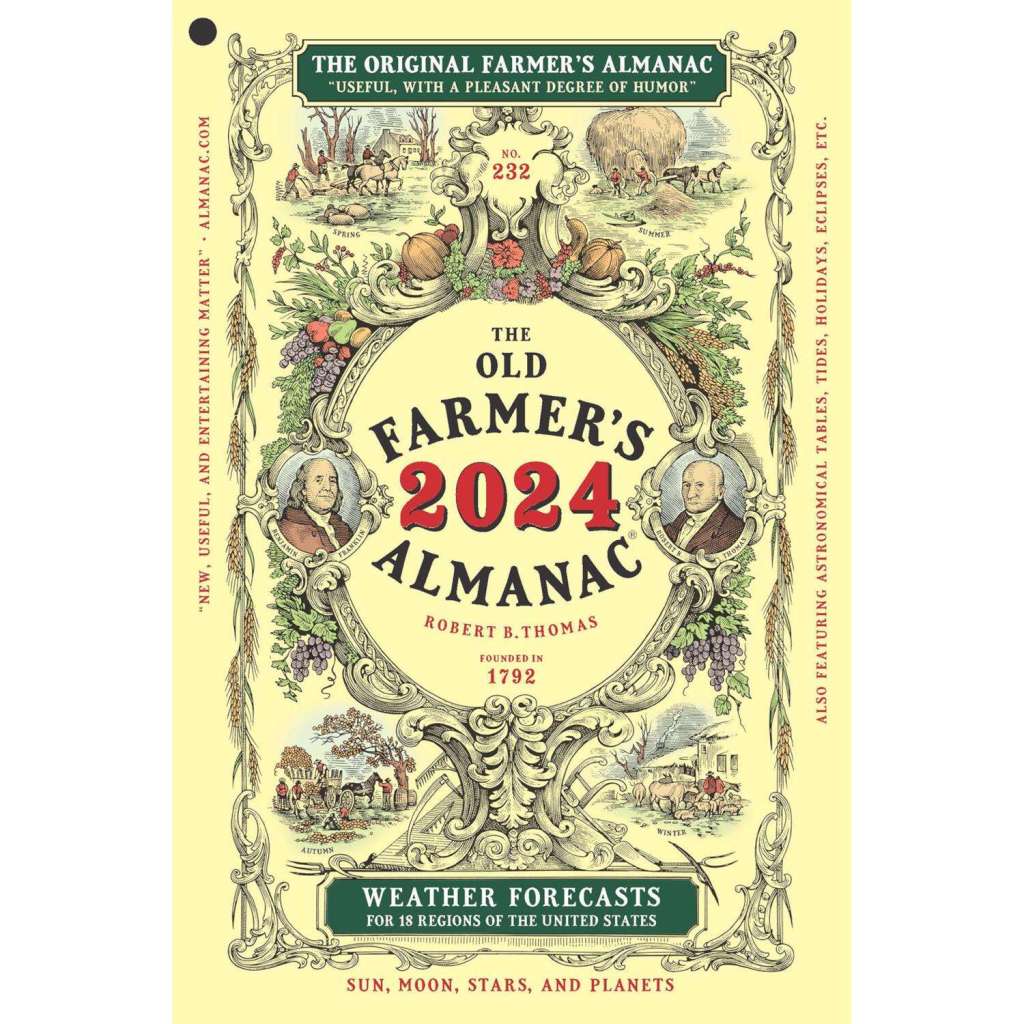
You don’t need to be a farmer to appreciate this book! Whether you’re interested in how bad this winter will be or when’s the best time to plant certain crops or just all the delightfully random trivia peppered throughout the pages, the almanac has you covered!
Are you interested in traditional self-sufficiency crafts? Do you have your own homestead? Tell us in the comments! As always, please follow this link to our online library catalog for more information on any of these items or to place them on hold.

 Berryville Book Buzz