
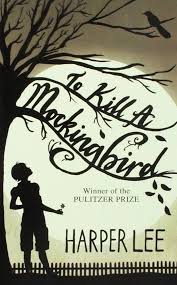
Usually, I try to highlight newer releases on the blog, but this year, the CAMALS Foundation is launching a new Community Book Read, and the first book selected for it is perennial favorite To Kill A Mockingbird. And I thought it was the perfect opportunity to revisit this classic.
Precocious Jean Louise Finch–or Scout as she’s affectionately called by her family and friends–has a comparatively idyllic life in Depression-era Alabama. The youngest child of a widowed lawyer, she enjoys playing with her older brother Jem and their quirky sometimes neighbor Dill in their small town and being read to by her father Atticus. But her carefree existence comes to a screeching halt when her father begins representing Tom Robinson, an African American accused of rape. Scout is too young to always follow what is happening, but she recognizes the palpable shift in public opinion toward her family.
Several years ago, when we participated in PBS’s The Great American Read challenge, To Kill A Mockingbird won the national vote by such a landslide that it was the overwhelming favorite throughout the voting period. Before the votes were tallied, it was one of my picks for the title–my others being The Great Gatsby and Lonesome Dove.
What I particularly like about To Kill A Mockingbird is it’s an important novel that grapples with difficult topics thoughtfully, but it’s also genuinely enjoyable to read. Harper Lee’s depiction of racism, injustice, and inequality is as relevant in 2024 as it was in 1962 when it was first released. This time around, I also noticed a lot more about economic class than I ever had before, with Scout, as the daughter of a comparatively well-to-do professional, initially struggling to understand how privileged she is in relation to her peers.
It’s also a very engaging book, chockful of colorful, intriguing characters, from the Finches’ maid Calpurnia to mysterious neighbor Boo Radley, and many of the scenes and much of the dialogue is laugh-out-loud funny. I particularly enjoy the interplay between Scout, Jem, and Dill. I personally think the book captures childhood better than any other novel I’ve ever read. The shifting alliances, petty disputes, bizarre humor, and growing maturity ring so true, and Scout is a highly believable child narrator, who understands more than she’s credited for while also still being naively oblivious about the significance of some of what she sees and hears.
Next month, we’re very excited to discuss To Kill A Mockingbird as our book club selection. You can pick up a free copy of the book at the library, as well as a discussion guide. Join us on Tuesday, September 10, at 6 pm at Carroll Electric’s Community Room for a special book club moderated by retired English teacher Kathy Remenar.

What’s your favorite classic novel? Interested in participating in the Community Book Read? Are you rereading To Kill A Mockingbird? Tell us in the comments! As always, please follow this link to our online library catalog for more information on any of our items or to place them on hold.

 Berryville Book Buzz
2 thoughts on “Harper Lee’s To Kill A Mockingbird”