There is no denying that we are living through a historic moment right now as the COVID-19 pandemic unfolds. Not since 1918 have we as a society experienced a global pandemic.
It was a week ago today that the Berryville Library closed to the public as a safety precaution, and all across Berryville, Carroll County, Arkansas, the United States, and the world, life looks very different than it did just a few short days ago.
Since March 17, the Berryville Public Library’s building has been closed to the public, but that doesn’t mean we’re not serving our community and trying to do as much as we safely can. It’s been a bit of a learning curve for us–since the COVID-19 coronavirus is so new, we’ve had to basically write our own how-to guide to cope, based on the information currently available.
So . . . what are we doing behind closed doors for now?
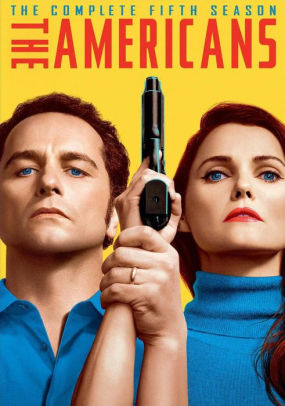
Now that we’re well into October, it’s that time of year where reading or watching something terrifying just seems . . . right.
I’m not necessarily an avid horror reader or watcher ordinarily, though I do like being scared. My taste veers more toward psychological horror and the horror classics, but I am certainly willing to try other sub-genres.
As we’re in the early planning stages of building a new library facility (and raising the money to pay for it), it’s been so energizing to see how many people in our community are excited and want to help. That’s what they ask–how can I help?
And the short answer right now is please join the Friends of the Berryville Public Library.
I’ve written about the Friends on here before, but I wanted to talk about this wonderful group and the work they do again as we kick off our Friendsraiser for the month of October.
I usually write here from my perspective as a staff member at the Berryville Library, but I’m going to switch sides, if you will, for today and write from my perspective as a board member for our Friends of the Berryville Library group.
I’m probably not the best person to write a post about heroes in literature. As I’ve mentioned on here before, I’m usually much more drawn to the supporting characters or the, ahem, villains than the heroes. But every now and then, like a normal person, I really do like the protagonist of the story.
And to that end, since the Great American Read is going to be airing its episode about heroes next week on September 25th, now’s the perfect time to explore a little more about literary heroes.
Next Tuesday, September 18, the first of the themed Great American Read episodes will air. Titled “Who am I?” it focuses on books about self-identity and characters’ journeys. These themes are the classic catalysts of coming-of-age stories, which are admittedly one of my favorite genres. One of the ideas broached in the episode is that of reading a book at the right time.
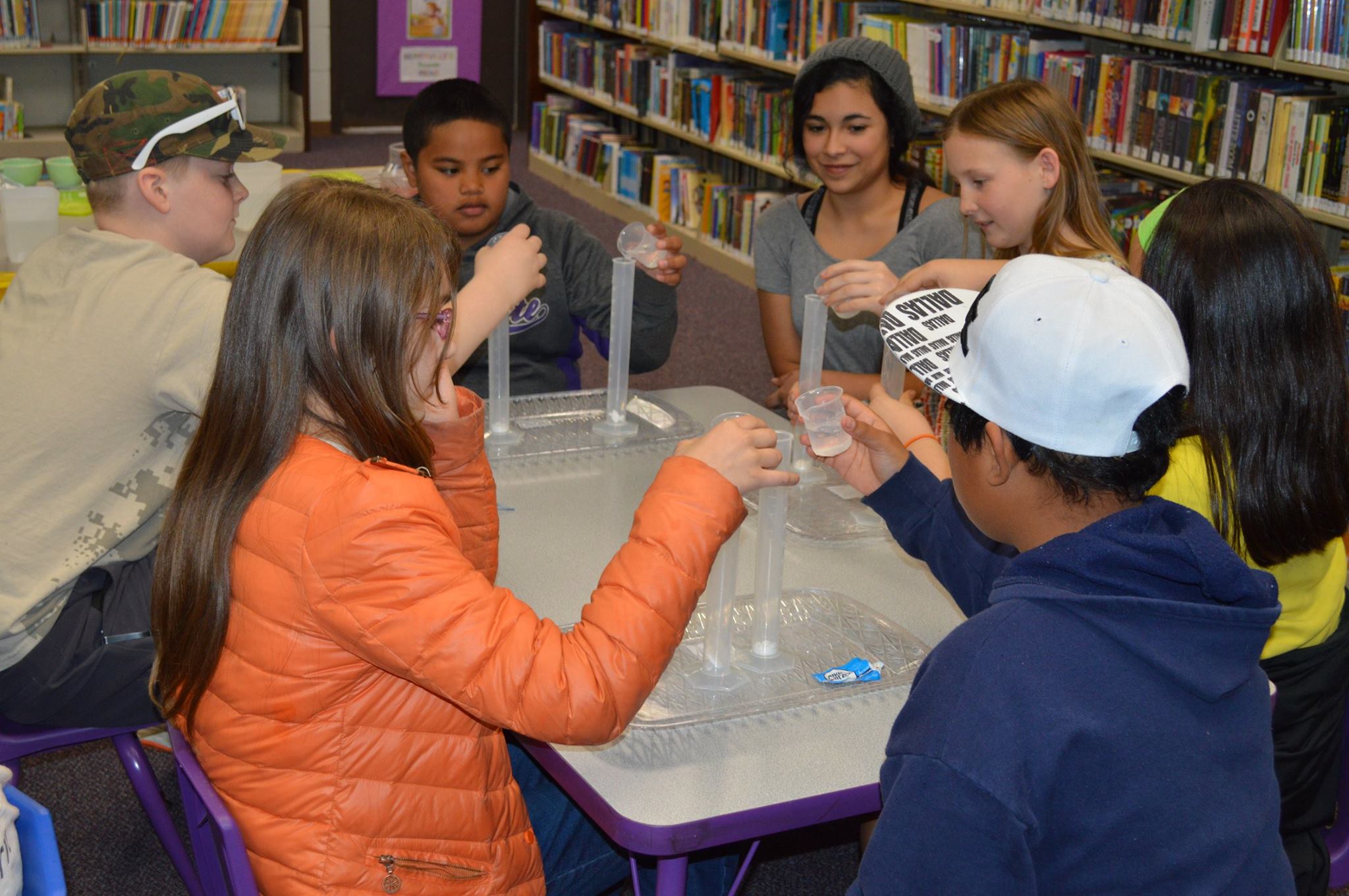
Drawing program for kids at the Berryville Public Library
This past weekend, Forbes published an op-ed that advocated for libraries being shut down and replaced by Amazon bookstores, all in the name of saving people tax money. Due to widespread public outrage, the piece has apparently been pulled, though it is still preserved on the Wayback Machine. I wrote this response while the article was still on Forbes’s website, and we are still posting it because we want to educate people about the role of public libraries and their very real value to their communities. Â
As someone who has spent the last 10 years working for the Berryville Public Library and is currently a member of our Friends of the Library board, I was horrified by the measures the Forbes editorial recommended. But I was also disturbed by the number of misconceptions that Panos Mourdoukoutas, the author of the piece, seems to have about what libraries actually do and the services they provide their communities.
He notes that in the past libraries provided resources like books, magazines, and journals, as well as quiet research places, comfortable places to enjoy books, space for community events, video rentals, and free internet access. However, according to his reasoning, these things can all be sought elsewhere, including Starbucks and Amazon bookstores.
I have been hearing these doom-and-gloom pronouncements about how outdated libraries are and how they are shortly on their way toward the fate of dinosaurs and dodos since I was first hired by a library. Inevitably, I have always found that they are perpetuated by people who have outdated ideas of what libraries do.