
This year, our theme is “Walk A Mile In My Shoes.” The idea that you can’t understand someone (and shouldn’t judge them) until you’ve walked a mile in their shoes is a pretty common sentiment. And research has shown that reading fiction is one way to really get such a walk going. So, that’s what we are going to do this year: use fiction (and some nonfiction when we just can’t resist) to take walks in someone’s shoes. We hope you join our journey. For December, our theme is poverty.
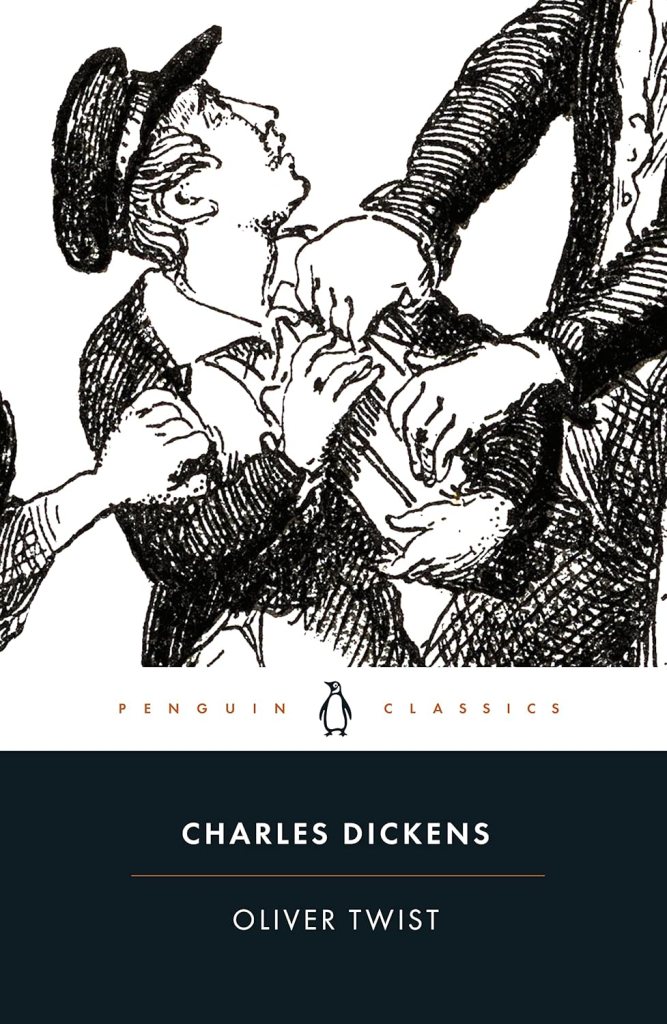
To this day, people often still refer to shocking poverty as Dickensian. And Charles Dickens’s fiction about the grinding poverty of Victorian England still packs a punch. His novel Oliver Twist follows a young orphan through harsh circumstances in an orphanage and on the streets before he gets a happy ending that doesn’t always happen in real life.
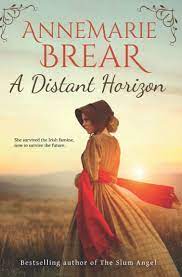
AnneMarie Brear’s A Distant Horizon is a vivid depiction of the poverty Irish people experience during the Potato Famine. Despite her struggles during this desperate time, Ellen is determined to take care of her family. She eventually decides to immigrate with her children to Australia but finds herself wondering if she made a wise decision or a terrible mistake.
Though historical fiction and classics share timeless truths about poverty, the issue is still very much a sad reality in contemporary life. Tamario Pettigrew’s searing YA novel Juju follows a teenager who’s family moves to Buffalo’s ghetto. It’s a searing portrait of urban poverty.

Barbara Kingsolver’s Demon Copperhead provides a modern twist on Dickens’s classic David Copperfield, transferring the story of a troubled childhood from 19th century England to modern Southern Appalachia. Born into unrelenting poverty and a dysfunctional family, Demon only has his personality and his fierce charisma in his favor.

For younger readers, Maribeth Boelts’s Those Shoes, which we have in both Spanish and English, talks about poverty in an age-appropriate way. Jeremy wants nothing more than the coolest sneakers everyone else in school has. However, his grandmother can’t afford them and says he doesn’t need them. When he sees a pair at the thrift shop, he buys it, even though they don’t fit him Complications ensue.

If you’re more interested in nonfiction, Matthew Desmond has written two recent acclaimed looks at poverty in America. In Evicted: Poverty and Profit in the American City, he profiles several poor families in Milwaukee, as they face potential eviction. His latest book, Poverty, by America, is a more general look at contemporary poverty as he chronicles why America is simultaneously the richest country in the world and has more poverty than any other advanced nation.


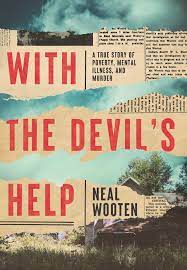
Other thought-provoking nonfiction reads about poverty that we’ve previously covered on the blog include Virginia Eubanks’s Automating Inequality and Neal Wooten’s With the Devil’s Help.

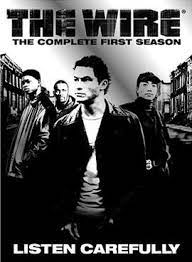
If you’re looking for something to watch, consider either Call the Midwife or The Wire. On paper, you couldn’t find two more different shows–one depicting midwives in London’s East End in the 1960s and the other focusing on the drug trade in early 21st century Baltimore–but both offer nuanced, realistic depictions of poverty, with the latter especially interested in how systemic failures keep people trapped in the same cycle of poverty.

And if a TV show is more of a time commitment than you have, perhaps try Academy-Award-winning movie Slumdog Millionaire instead. It follows Jamal, the resident of one of India’s poorest slums, who quickly rises to fame after winning a TV game show, only to face investigations of cheating.

What’s the best book you’ve read about poverty? What have you read lately that helped you walk in someone else’s shoes? Tell us in the comments! As always, please follow this link to our online library catalog for more information on any of these items or to place them on hold.

 Berryville Book Buzz